The Cost of Uncertainty: Why Homeowners Delay Roof Replacements
By Sam Bertini, M.S., B.S. | September 21, 2026
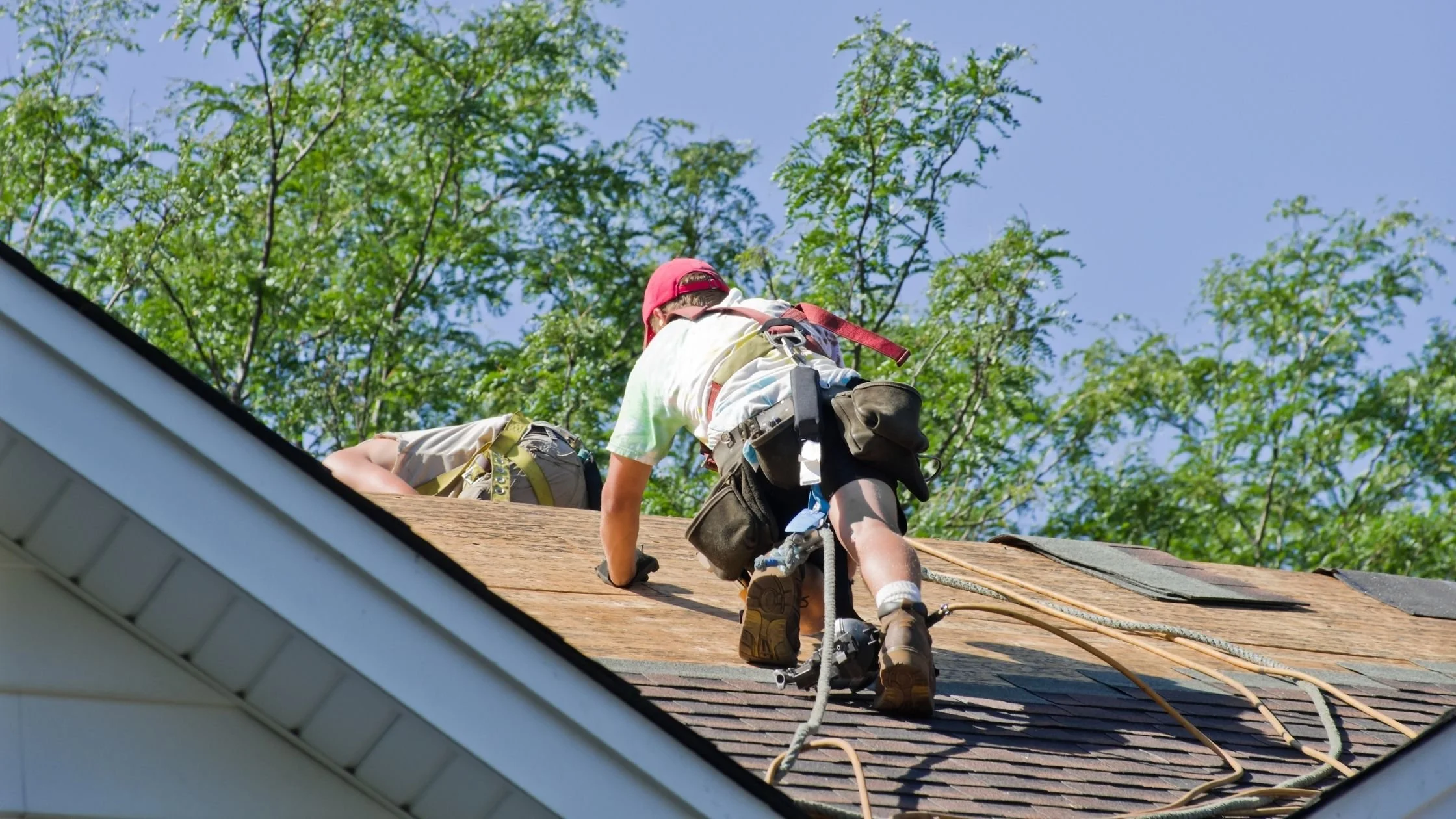
A roofing contractor sees a roof that needs to be replaced, but a homeowner sees a decision that could cost thousands of dollars and involves a part of the house they probably know very little about.
That's an important difference.
From the contractor's perspective, the evidence may be straightforward. The roof is reaching the end of its useful life, repairs are becoming less practical, or existing damage makes replacement the better long-term option.
The homeowner doesn't have the contractor's experience.
They're trying to figure out whether the problem is really as serious as they've been told, whether the recommended solution makes sense, whether the estimate is fair, and whether this particular company is the one they should trust to do the work.
Then another contractor comes out and tells them something slightly different.
Now the decision gets harder.
For roofing companies, understanding this uncertainty matters because not every homeowner who says, “We need to think about it,” is rejecting the project.
Sometimes they simply don't have enough confidence to say yes.
A Roof Replacement Is an Expensive Decision About Something Homeowners Can't Easily Evaluate
Most homeowners can walk through a kitchen and develop an opinion about cabinets, countertops, or flooring.
A roof is different.
They may be able to see missing shingles or an obvious leak, but much of what determines the condition of a roofing system isn't easy for the average homeowner to evaluate independently.
That creates an information imbalance.
The contractor knows what they're looking at. The homeowner has to decide whether they trust the contractor's interpretation of it.
This becomes especially difficult when replacement is recommended before there is an obvious emergency. If water isn't pouring through the ceiling, the homeowner may wonder whether the project can wait another year.
Simply telling them the roof is old doesn't always resolve that question.
Showing them what you found and explaining why it matters can.
Conflicting Estimates Can Create More Confusion, Not More Clarity
Getting multiple roofing estimates is a sensible decision.
Comparing them isn't always simple.
One proposal may include work another doesn't mention. Contractors may recommend different materials or approaches, and warranty language can vary considerably. Even the way measurements, allowances, disposal, permits, ventilation, flashing, decking, and other project details are presented can make two proposals difficult to compare directly.
The homeowner is left trying to determine whether the higher estimate includes more work or simply costs more.
Price becomes the easiest number to understand because everything else requires interpretation.
Roofing companies can reduce this uncertainty by making proposals easier to understand. Scope should be clear enough that the homeowner knows what is included, where additional costs could potentially arise, and what questions they should ask when comparing estimates.
A detailed proposal isn't just paperwork.
It's part of the sales experience.
Homeowners Are Afraid of Making the Wrong Choice
There are two expensive mistakes a homeowner can imagine making:
They could replace the roof sooner than necessary and feel like they spent money they didn't need to spend.
Or they could wait too long and end up dealing with additional damage.
Most homeowners don't have enough roofing knowledge to independently calculate where that line sits.
That can lead to decision paralysis.
Pressure doesn't necessarily solve it. In fact, aggressive sales tactics can introduce another concern: Why is this contractor so determined to get me to sign today?
A better approach is to help the homeowner understand the consequences of each available option.
If a repair could reasonably extend the roof's life, explain that. When replacement is the more appropriate recommendation, show what led to that conclusion. If waiting carries specific risks, describe those risks without turning every possibility into a catastrophe.
Confidence grows when the homeowner understands the recommendation instead of feeling pushed toward it.
The Homeowner May Be Researching Your Company While the Estimate Is Sitting on the Counter
The sales conversation doesn't necessarily end when the estimator leaves.
That's often when the research begins.
The homeowner may search the roofing company's name, read Google reviews, return to the website, look through completed projects, check social media, research materials, and compare the business with the other contractors who provided estimates.
What they find can reinforce the conversation they already had.
It can also undermine it.
Imagine receiving a professional proposal from a contractor who seems knowledgeable, then visiting a dated website with almost no information about the company. Perhaps recent project photos are difficult to find, reviews haven't been addressed, or the website provides little explanation of the services mentioned during the estimate.
None of those things prove the contractor does poor work.
They create unanswered questions at a moment when the homeowner is already looking for reassurance.
A Weak Online Presence Can Make a Good Contractor Feel Riskier
Roofing companies sometimes treat their website, Google Business Profile, reviews, photography, and social media as lead-generation tools only.
They also function as validation tools.
A homeowner who already has your estimate may not need another advertisement. They need reasons to believe choosing your company is a sound decision.
Professional project photography demonstrates completed work. Detailed service pages help explain what the company actually does, while reviews provide evidence from people who have already gone through the process. Team information can make the business feel more established and transparent.
Even educational content has a role.
If a homeowner is wondering about roof lifespan, materials, ventilation, storm damage, permitting, or the replacement process, finding a useful answer on your website keeps your company involved in their research.
Marketing doesn't stop working once the lead comes in.
It can help the lead become a customer.
Vague Estimates Leave Too Much Room for Imagination
An estimate can be technically accurate and still leave the homeowner uncertain.
A total price with a short description of the project doesn't necessarily tell someone what they're buying.
Homeowners may want to know what happens if damaged decking is discovered, which materials are being installed, what cleanup involves, how property will be protected, who handles permits, and what happens if weather interrupts the project.
They may not know enough about roofing to ask every relevant question.
That's why clarity has to come from the contractor.
The proposal, website, consultation, and follow-up communication should work together to explain the project in terms a homeowner can understand.
More information isn't automatically better. Handing someone a wall of technical terminology can create a different kind of confusion.
The goal is useful information at the right level of detail.
Financing Doesn't Solve Every Price Objection
Financing can make a necessary roof replacement financially possible for homeowners who don't want or aren't able to pay the entire project cost upfront.
It doesn't automatically remove hesitation.
A homeowner can qualify for financing and still be unsure whether they should proceed with the project, whether they've chosen the right contractor, or whether the proposed work is worth the investment.
This distinction matters for roofing marketing.
If every stalled project is treated as a financing problem, the company may miss the actual objection. Sometimes the homeowner needs help understanding the scope. Another person may be comparing materials, checking reviews, discussing the project with a spouse, or waiting for another estimate.
Financing addresses affordability.
It doesn't replace trust.
The Bigger the Decision, the More Proof People Look For
A homeowner may choose a $30 household purchase after reading a handful of reviews.
A roof replacement deserves more scrutiny.
That means roofing companies should expect prospects to investigate them.
Reviews are an obvious part of that research, but homeowners may look for several forms of evidence. They can browse project galleries, search the contractor's name, check licensing information where applicable, look at how long the company appears to have been operating, or see how the business responds when a customer has a complaint.
They're assembling a picture.
No individual marketing asset has to carry the entire burden of proving the company is trustworthy. The strength comes from consistency across everything the homeowner finds.
When the estimator, proposal, website, reviews, project photos, and communication all tell a similar story, choosing the contractor requires less of a leap of faith.
Silence After an Estimate Doesn't Always Mean the Lead Is Dead
Roofing companies lose opportunities when every unanswered estimate is treated as a rejection.
Homeowners get distracted. Couples need time to discuss large purchases. Other contractors may still be scheduled to provide quotes, while insurance or financing questions can slow the process further.
Following up is reasonable.
The quality of the follow-up matters.
A generic “just checking in” message doesn't add much to the decision. A useful follow-up can address an unanswered question, clarify part of the proposal, provide information about a material being considered, or make it easy for the homeowner to reopen the conversation.
The objective isn't to manufacture urgency.
It's to remove obstacles that may still be preventing a decision.
Too Many Choices Can Slow the Decision Down
Giving homeowners options can be helpful, but there is a point where flexibility becomes overwhelming.
Someone who started the process knowing almost nothing about roofing may suddenly be comparing manufacturers, product lines, colors, warranties, ventilation options, financing terms, and several contractors at the same time.
Every additional decision requires more confidence.
Roofing companies can make this easier by providing enough guidance to help the homeowner understand which choices actually matter for their property and priorities.
This doesn't mean deciding for them.
It means using professional expertise to make the decision manageable.
A contractor who can explain why they recommend a particular solution gives the homeowner something more valuable than another menu of options.
Urgency Works Better When Homeowners Understand Where It Comes From
There are legitimate situations where roofing work shouldn't be delayed.
The problem is that homeowners have heard enough aggressive roofing pitches to become skeptical of urgency itself.
If every roof is presented as an emergency, genuine problems become harder to distinguish from sales pressure.
Specificity is more persuasive.
Explain what was found during the inspection, what could happen if the condition progresses, and whether the timeline is based on active damage, approaching weather, material availability, permitting, or another real consideration.
Homeowners don't need to be frightened into making good decisions.
They need enough information to understand why timing matters.
The Contractor Who Creates the Most Certainty Has an Advantage
The winning estimate isn't always the cheapest.
It isn't necessarily the contractor with the longest presentation or the most aggressive salesperson either.
Often, the advantage belongs to the company that makes the decision easier to understand.
The homeowner knows what is wrong with the roof and why the recommended solution makes sense. They understand what they're paying for, have seen evidence that the contractor can perform the work, and know what will happen after they sign.
There are fewer unanswered questions.
That's valuable because uncertainty has a cost for the homeowner too. Delaying a necessary project means continuing to worry about the roof, repeating the research process, scheduling more estimates, and wondering whether waiting is making the problem worse.
A roofing company that reduces that uncertainty isn't simply selling harder.
It's creating a better buying experience.
Marketing Should Help Homeowners Make the Decision
Roofing marketing tends to focus heavily on generating leads.
That's only part of its job.
Your marketing should also help someone who already knows your company decide whether they trust you enough to hire you.
That means answering the questions homeowners are actually researching, showing real completed projects, building a strong review presence, explaining services clearly, and maintaining a website that reflects the quality of the company performing the work.
When a homeowner receives your estimate and starts researching that night, they should find information that makes the decision clearer.
Not more confusing.
Make Your Roofing Company Easier to Choose
If homeowners are requesting estimates but taking weeks to make a decision, generating more leads may not solve the entire problem.
There may be uncertainty somewhere between the inspection and the signed contract.
Tampa Branding Studio helps roofing companies strengthen that part of the customer journey through custom website design, SEO & AEO, professional construction photography and video, Google visibility, social media management, branding, and digital marketing. We build marketing systems that help contractors get found while giving prospective customers better reasons to trust what they find.
FAQs
-
A roof replacement combines a large financial commitment with a technical decision most homeowners don't feel qualified to evaluate on their own. Even when they accept that the roof has problems, they may still be uncertain about whether replacement is necessary now, whether a repair could buy more time, what materials they need, or whether the contractor's recommendation is the right one.
That uncertainty becomes more complicated when multiple contractors provide different recommendations or scopes of work. The homeowner isn't simply deciding whether to spend the money. They're trying to determine which information they can trust.
Roofing companies can reduce that hesitation by documenting what they found, explaining why they recommend replacement, clearly outlining the proposed scope, and giving homeowners enough evidence to understand the decision. A homeowner who understands why the project is necessary has a much stronger foundation for moving forward than someone who has simply been told they need a new roof.
-
For a major home improvement project, getting multiple estimates allows homeowners to compare price, scope, materials, warranties, timelines, and their confidence in each contractor. The difficulty is that roofing estimates aren't always structured the same way, so homeowners may discover they're comparing proposals that include different work.
This creates an opportunity for roofing companies to differentiate themselves through clarity rather than simply trying to submit the lowest number. A proposal should make it easy to understand what is included, which materials are being recommended, how potential additional costs are handled, and what the homeowner can expect during the project.
The contractor who helps a homeowner understand the estimates may have an advantage over one who simply provides another price to compare.
-
Homeowners aren't only buying roofing materials and labor. They're accepting the risk of allowing a company to perform major work on one of the most important systems protecting their home.
A higher estimate can still win when the homeowner has greater confidence in the contractor behind it. Reviews, documented projects, clear communication, a detailed proposal, professional inspection practices, warranty information, and a credible online presence can all help reduce the perceived risk of choosing that company.
The difference in price also needs context. If one contractor clearly explains that its proposal includes work, materials, or protections that aren't included elsewhere, the homeowner can make a more accurate comparison.
Roofing companies don't necessarily have to beat the cheapest estimate. They need to make it clear what the homeowner receives for the price being quoted and why the company can be trusted to deliver it.
-
“I need to think about it” doesn't reveal what is actually preventing the homeowner from making a decision. They may be concerned about price, waiting for another estimate, unsure whether replacement is necessary, discussing the expense with someone else, comparing financing, or simply uncomfortable with something they haven't been able to articulate.
Instead of immediately introducing a discount or increasing the pressure, the contractor should try to identify what remains unresolved. Asking whether there is anything about the recommendation, scope, timing, or proposal that needs clarification can uncover an objection that may actually be solvable.
If the homeowner isn't ready to decide, a useful follow-up can keep the conversation moving without becoming intrusive. Additional inspection photos, an explanation of a material option, clarification about the proposal, or an answer to a question can give the homeowner something useful to consider while they make the decision.
-
Yes. A homeowner who already has an estimate may visit the contractor's website specifically to decide whether the company appears trustworthy enough to hire.
At that stage, the website isn't simply generating a lead. It's helping validate a purchase decision.
Homeowners may look for completed roofing projects, service information, company history, reviews, credentials, warranty information, financing options, and answers to questions that came up after the inspection. If the website is outdated, difficult to use, vague about the company, or inconsistent with what the salesperson presented, it can introduce doubt after the contractor has already done the work of generating and estimating the lead.
A strong roofing website should reinforce the sales process. The homeowner should come away from their research with a clearer understanding of the company and the work being proposed, not another list of unanswered questions.
-
Effective estimate follow-up should help the homeowner make a decision rather than repeatedly ask whether they've made one.
The first step is understanding what information could still be useful. If the homeowner was comparing material options, follow-up can clarify the differences. When there was concern about financing, the contractor can provide the appropriate information about available options. Inspection findings can be revisited when the homeowner is still uncertain about whether the project should happen now.
Timing matters as well. Repeated calls or messages that add no new information can create pressure without increasing confidence.
A good follow-up gives the homeowner an easy way to continue the conversation while demonstrating that the contractor is attentive and available. The goal isn't to chase someone until they sign. It's to make sure a good prospect isn't lost because an answer, explanation, or next step was missing.
-
Start by examining the entire experience between the initial inquiry and the signed contract.
If leads are qualified and estimates are competitive but homeowners still aren't moving forward, the problem may be uncertainty rather than price. Roofing companies should evaluate how inspections are explained, how proposals are structured, what proof is presented, how questions are handled, what prospects find when they research the company online, and how follow-up happens after the estimate.
Tracking why estimates are lost is particularly valuable. If homeowners repeatedly mention price, the company needs to determine whether the issue is truly affordability or whether competitors are doing a better job of communicating value. Frequent unanswered proposals may point to a follow-up problem, while prospects choosing established competitors at similar prices could indicate a trust or positioning issue.
Improving conversion doesn't necessarily require more aggressive sales tactics. If the company can remove more uncertainty from the buying process, homeowners have fewer reasons to postpone the decision or continue searching for another contractor.
About the Author
Sam Bertini, M.S., B.S.
Sam Bertini is the Founder and Creative Director of Tampa Branding Studio, a Tampa Bay marketing and branding studio specializing in business growth through strategic websites, local search visibility, AI search optimization, and content marketing. She holds a Master of Science in Business Intelligence, and a Bachelor of Science in Marketing, bringing together analytical thinking, creative strategy, and a deep understanding of how businesses build authority online.
Sam works with organizations across a wide range of industries, helping them strengthen their digital presence, improve discoverability, and position themselves for long-term success in an increasingly AI-driven search landscape. Beyond client work, she writes extensively about Tampa Bay business news, local economic development, branding, search marketing, entrepreneurship, and the technologies shaping the future of customer discovery.
Areas of Expertise: Business Growth Strategy, Branding, Website Design, Local SEO, AI Search Optimization (AEO/GEO), Business Intelligence